- Home
- City Tours
- Beijing Tours
- Beijing Educational Tour
8-Day Beijing Educational Tour
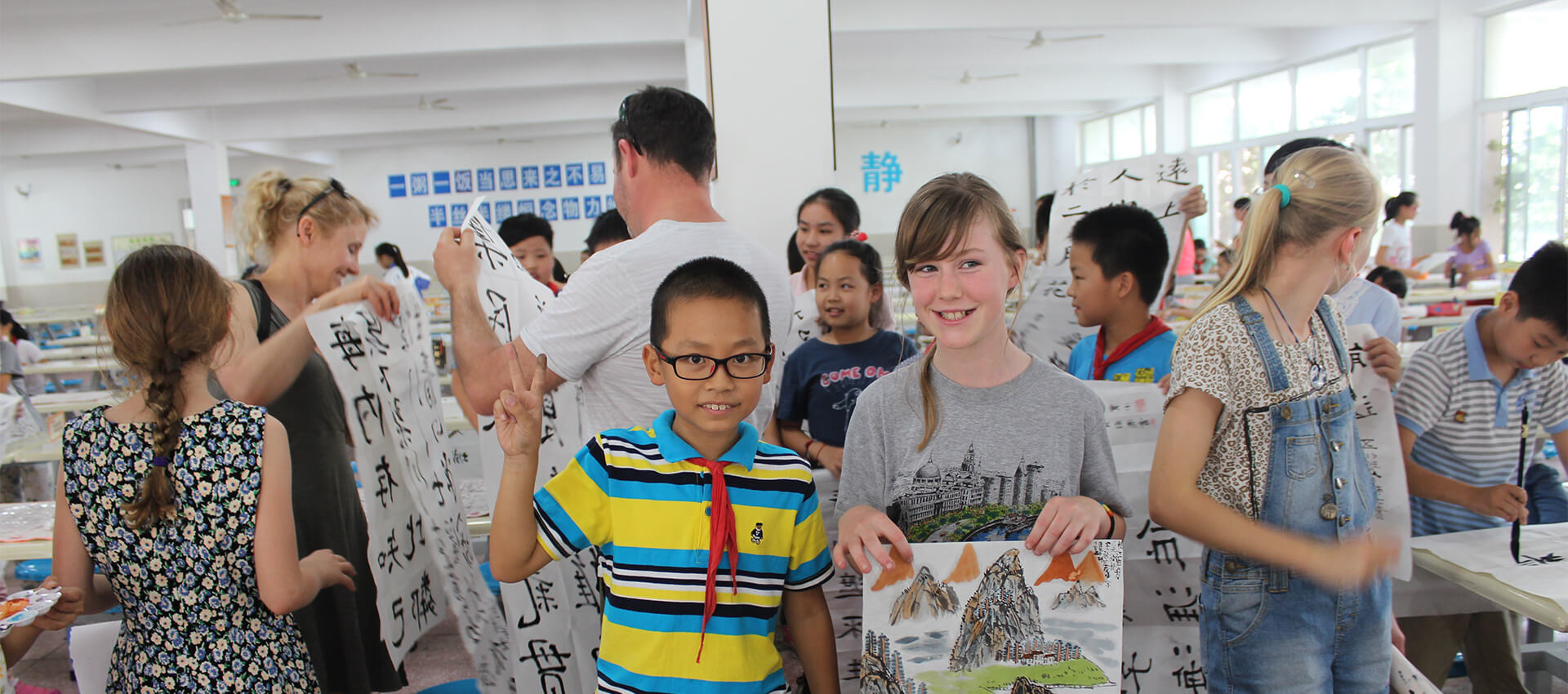
This 8-day Beijing study tour gives students a chance to explore China’s history and traditional culture at Forbidden City, Great Wall, hutongs and Temple of Heaven. Students will go to Beijing Foreign Studies University to talk with local teachers and students and experience different cultures and educational ideas. Visits to iFLYTEK and Xiaomi Technology Park will showcase how AI and technological innovation are moulding the future.
China Educational Tours provides quality educational tours for schools. We offer professional guides, private vehicles, course explanations and 24 hour on trip support to ensure a safe, smooth and rewarding journey. We also offer customised study tours designed to meet your school’s educational goals and needs, so each trip provides valuable learning gains.
Itinerary at a Glance
| Day | Location | Highlights |
|---|---|---|
| D1 | Beijing | Airport pick-up, hotel check-in, and rest. Guide introduces Beijing's history and culture on the way. |
| D2 | Beijing | Learn basic Chinese, visit the Forbidden City, explore a hutong, do handicrafts, and enjoy tea culture at a tea house. |
| D3 | Beijing | Learn practical Chinese phrases, visit a cloisonné museum to see traditional craft-making, and hike the Mutianyu Great Wall. |
| D4 | Beijing | Visit the Temple of Heaven, take a Tai Chi class, tour the Ancient Architecture Museum, and join a calligraphy lesson. |
| D5 | Beijing | Visit the Summer Palace, explore the Guozijian, and tour the Yonghe Temple to learn about ancient education and religious culture. |
| D6 | Beijing | Tour the Language Museum and history museum at Beijing Foreign Studies University, and visit the AI and Human Language Laboratory. |
| D7 | Beijing | Visit iFLYTEK to experience voice AI technology, and tour Xiaomi Technology Park to learn about the AIoT ecosystem. |
| D8 | Beijing | Driver and guide transfer students to the airport for departure. |
Trip Highlights
- Learn basic daily Chinese and experience authentic hutong life
- Visit the Great Wall and experience traditional cloisonné craftsmanship
- Explore the Temple of Heaven and practice Tai Chi and calligraphy
- Tour royal gardens, ancient academies and classic temples
- Visit Beijing Foreign Studies University and explore language culture
- Experience cutting-edge AI voice and smart ecosystem technology
Tour Essentials

Quality
No Shopping Traps

Group Type
Private

Tour Focus
Culture, History, Local Interaction

Accommodation
Nights:7

Best Season
Spring, Summer, Autumn, Winter
Full itinerary for 8-Day Beijing Educational Tour
On arrival at Beijing airport students will be met by the local guide and driver and transferred to the hotel for check-in. During the trip, an introduction to Beijing’s history, culture and the upcoming program will be provided. After check-in, there will be time to rest and acclimatise after the flight.
In the morning, students will begin with basic Chinese language learning, including greetings, transportation, and daily communication, to build a foundation for traveling in China. Then they will visit the Palace Museum, where students will learn about the history, architectural layout, and ceremonial system of the imperial palace of the Ming and Qing dynasties through professional explanations. Students will walk through key areas such as the Hall of Supreme Harmony and the central axis, and experience the deep historical heritage and architectural wisdom of China’s ancient imperial system and palace culture.
 Palace Museum
 Learn from the tour guide's explanation
In the afternoon, students will go to a Beijing hutong, where they will visit a local family and have face-to-face conversations with residents to learn about the daily life and community culture of old Beijing. For those groups who are interested to have a deeper culture experience, we can arrange some optional workshops like Chinese Calligraphy, Paper-cutting, Peking Opera Mask Painting, Mortise-and-Tenon Model Building etc. Students will also visit a traditional hutong tea house to learn about Chinese tea etiquette and cultural significance, while experiencing the historic charm and the everyday rhythm of Beijing .
 Learn about past life in Beijing from a local
 Paper-cutting
 Peking Opera Mask Painting
Your Journey's Rewards:
Pick up simple Chinese speaking skills while you learn the Forbidden City’s history and culture, and get a feel for life in hutongs.
Educational Focus:
How did the Forbidden City turn into the main center for royal rule and ceremonial rules under Ming and Qing emperors, and in what ways did its building layout support the emperor’s power?
Takeaway:
Imperial power is set as the center of the world by the Forbidden City’s centered symmetrical layout. National matters fall to the front outer court and private daily life belongs to the inner rear zone, with left ancestral temples and right land-grain altars joining royal authority, family and belief together. Wide squares appear after long narrow gateways, stirring feelings of amazement and deep respect. The emperor’s total power is backed up by yellow roof tiles, red walls, meaningful numbers nine and five, neat garden setups and yards planted with no trees.
Thought Challenge:
Does spatial order also influence the way people think?
Post-breakfast, students attend a hands-on Chinese lesson; interactive drills teach handy travel lines for shopping, dining and asking routes. Next comes a trip to China Cloisonné Art Museum to know the story of this national intangible cultural heritage. They watch old making steps—shaping wires, filling enamel and firing—and feel the special beauty of Chinese traditional crafts. Moreover, they fully grasp the ways craft skills and artisans’ spirit are maintained and passed on in today’s society.
 Cloisonne craft teacup
Students head to Mutianyu Great Wall, with a cable car lift uphill. A trained guide shows them this age-old World Heritage spot, explaining its building process, military use and place in China’s past as they admire grand mountain views and feats of ancient building work. They can then head downhill by cable car or toboggan to see the wall from fresh angles.
 Mutianyu Great Wall
 Cable car
 Toboggan
Your Journey's Rewards:
Learn basic practical Chinese expressions, climb the Great Wall and experience its rich historical significance, understand the process of intangible cultural heritage crafts, and experience the craftsmanship and dedication behind traditional skills.
Educational Focus:
In what ways was the Great Wall built to fit defensive demands and various landforms, and what led people to keep constructing and repairing it over hundreds of years?
Takeaway:
Thanks to construction adapted to local terrain and reinforced vulnerable spots, the Great Wall survived over two thousand years. Mountains and rivers served as natural shields; local resources formed wall bodies, while linked passes, watchtowers and beacon towers built a layered defense mixing solid and flexible sections. This cheap, practical method eased conflicts between farm and nomad communities, turning the Great Wall into a core guarantee of safety and social order for each ruling dynasty.
Thought Challenge:
What forces sustained this centuries-long project?
After breakfast, the Temple of Heaven will be visited. It was an important place for Ming and Qing emperors to hold ceremonies and pray to heaven. This site also shows fine old Chinese building skills. A guide will help students learn about the link between heaven and people, royal rituals, and design ideas. Later, a Tai Chi class is taken in the park. With a teacher, students will learn basic moves and breathing ways. They can feel the balance and harmony valued in traditional Chinese health culture.
 Temple of Heaven
 Tai Chi class
In the afternoon, students tour the Beijing Ancient Architecture Museum, where models, relics and digital exhibits show how China’s old buildings evolved. They also learn classic construction skills like dougong brackets and mortise-tenon links, along with the clever engineering ideas behind these methods. Next, students join a calligraphy lesson to grasp brush holding, basic line work and the layout of Chinese characters. Guided by the instructor, they write everyday words and auspicious sayings, and feel the special appeal of Chinese script paired with classic art forms.
 The magnificent caisson ceiling in the museum
 Calligraphy lesson
Your Journey's Rewards:
Feel the ritual culture and architectural wisdom of the Temple of Heaven, experience physical and mental balance through Tai Chi, learn the structural principles of ancient buildings, and master basic calligraphy skills
Educational Focus:
Why does the Temple of Heaven's architecture and ritual design stress the "relationship between heaven and humans," and what does this idea aim to express?
Takeaway:
The concept of a round heaven and square earth guides the Temple of Heaven’s design, whose buildings and layout show the bond between mankind and nature. Sacrificial rites were more than formal events; they linked people to cosmic order and displayed ancient comprehension and reverence for natural rules. The round altar stands for heaven, and precise axes plus measurements build clear order, turning the buildings into a bearer of core beliefs. Faith, philosophy and space merge in this design, so visitors grasp the world’s operation from firsthand experience instead of merely seeing a pretty building structure.
Thought Challenge:
Do space and belief still influence modern life?
After finishing breakfast, students travel to the Summer Palace. This well-kept royal garden combines natural scenery and classic building skills and ranks as a prime example of ancient Chinese garden art. Led by guide, students stroll the Long Corridor, Kunming Lake banks and Longevity Hill areas. They pick up knowledge of Qing royal daily life, garden planning thoughts and the gardening tenet “man-made but nature-like”, and experience the cultural connotation of balanced coexistence between humanity and nature.
 Summer Palace
Students will spend the afternoon at Guozijian, the highest school in ancient China, where students can see how the imperial exam system grew and how Confucian ideas greatly shaped local society and schooling. After that, students will check out Yonghe Temple and find out about Tibetan Buddhism’s local history plus its special building designs. Looking over the temple’s layout, Buddha images and old customs helps students fully see the background behind China’s mixed cultures and united religious traditions.
 Guozijian
 Yonghe Temple
Your Journey's Rewards:
Visiting royal gardens lets visitors feel how natural scenery and buildings merge, gain knowledge of the ancient civil service exam schooling system, and recognize how different faiths live side by side harmoniously
Educational Focus:
Why did the Guozijian become the highest institution of learning in ancient times, and how did it shape the relationship between scholars and social order?
Takeaway:
Ranking as ancient China’s top school, the Guozijian drew authority from official standing, attached Confucian temples and regular imperial talks. Students took lessons on Confucian works, abided by strict moral codes and got ready to serve the government. This place bound schooling, official work and social order firmly, matching people’s individual progress with the country’s steady condition.
Thought Challenge:
Is education ultimately a choice or a shaping force?
After breakfast, go to the Wolrd Language Museum in Beijing Foreign Studies University. With the wealth of materials, multimedia displays and interactive exhibits students will be able to understand the origin, evolution and spread of world languages and the cultural features and ways of thinking behind different languages. The event will discuss language diversity, script creation and intercultural communication, leading students to think about the important role of language in the development of human civilisation, and to improve their global vision and intercultural understanding.
 Wolrd Language Museum
Students tour Beijing Foreign Studies University’s history museum in the afternoon to know its growth and efforts in global communication, language teaching and student training. Next comes a trip to the AI and Human Language Laboratory, where advanced tools including AI, large language models, machine translation and voice recognition can be explored by them. Shows and interactive sessions let students witness technology’s changes to cross-cultural communication and find fresh chances for language study and worldwide connection under AI times.
Your Journey's Rewards:
Discover the diversity of world languages. Explore how AI supports communication. Strengthen cross-cultural understanding. Connect language, technology, and global perspectives.
Educational Focus:
How can language and technology help people from different cultural backgrounds communicate more effectively?
Takeaway:
Language allows people to communicate ideas, transfer knowledge and make bonds. Technology makes it much easier to communicate between languages. All these text and voice systems and AI translation tools are supposed to break down communication barriers and make mutual understanding and cooperation easier. With the development of AI, learning a language is not only a way of communication, but also a vital way of understanding different cultures and ways of thinking. In the era of the global, people can only achieve effective international communication through appreciating the role of language skills and the use of tech.
Thought Challenge:
When AI can translate in real-time, how will the significance of learning a foreign language change?
After breakfast, visit iFLYTEK, learn about the development history and core applications of artificial intelligence and intelligent voice technology. In the exhibition hall students will experience cutting-edge technologies such as speech recognition, machine translation and speech synthesis and learn how AI empowers education, office work and cross-language communication. Through interactive demonstrations and case studies, learn about China’s innovative achievements and industrial applications in the field of artificial intelligence, and improve digital cognition and application capabilities.
 iFLYTEK
 Learn about AI language technology from professionals
Afternoon visit to Xiaomi Technology Park to see how Xiaomi has transformed from a smartphone company into a leading AIoT (Artificial Intelligence of Things) ecosystem. Explore smartphone, smart home products and IoT exhibitions and experience the company’s integrated “Human–Vehicle–Home” ecosystem. Experience engineering displays and interactive presentations to learn how the smart manufacturing, supply chain management and technology innovation are driving the consumer electronics industry.
 Xiaomi Technology Park
Your Journey's Rewards:
Experience voice AI applications, understand intelligent interaction principles, learn about AIoT ecosystems, and explore tech innovation paths.
Educational Focus:
How is artificial intelligence changing the way people communicate with language and devices?
Takeaway:
Artificial intelligence, thru technologies such as speech recognition, natural language processing, and machine translation, has transformed communication between humans and devices from "inputting commands" to "natural conversations." In the demonstration by iFlytek, it can be seen that voice can be directly converted into text or execute operations, and cross-language communication has also become more instantaneous. In the Xiaomi ecosystem, devices achieve automatic collaboration thru networking, making life scenarios more intelligent. This change not only improves efficiency but also makes the human-machine relationship more natural. However, it also brings about reflections on the degree of dependence and the boundaries of technology.
Thought Challenge:
As devices become more and more understanding of people, do we still need to learn to express ourselves?
After packing luggage and finishing dinner at the hotel, our driver and tour guide will safely send students to the airport in line with scheduled flight times. This Beijing study tour enables students to gain in-depth insight into China’s ancient culture and modern development. Feel free to share any other ideas about such study tours; we can customize trips for your students anytime to support international exchange.
This tour is suitable for: School Students, Chinese Cultural Lovers, Innovation & Technology Enthusiasts
What's Included:
- Professional bilingual educational guides
- 24/7 program support and assistance
- Risk management and emergency support
- Private transportation throughout the program
- Comfortable student-friendly accommodation
- Meals as specified in the itinerary
- Entrance tickets and activity fees
Hotel Options:
- Standard Accommodation: King Parkview Hotel
- Comfortable Accommodation: Beijing Hejing Fu Hotel
- Deluxe Accommodation: Shangri-La Hotel Guilin
Wechat & WhatsApp: +86-13471279378